
Dopamine Loop
The Smartphones Era

Dopamine is a neurotransmitter that acts as a reward center and has an impact on our mood, motivation, behavior, attention, etc. The effect of dopamine is usually immediate and is followed by a quick comedown. The immediate gratification leads us to want more of it and due to repeated exposure the tolerance develops and we need more to just feel ‘normal’. It is responsible for the pleasure feeling. Phones have become indispensable in our lives now, and Internet addiction has become a prevalent issue.
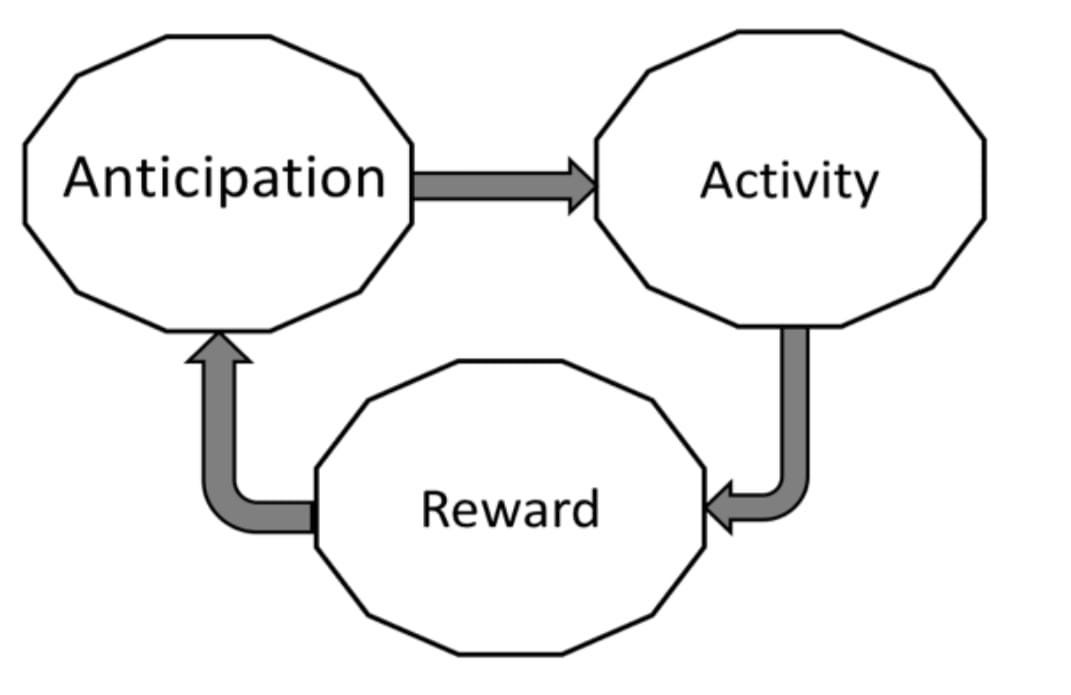
Smartphones are devices that provide various immediate gratifications such as sociability, entertainment, information, and an identity that is virtual. The virtual identity can often not be their real selves as it is easy to portray themselves to be someone else. Research has shown that similar biological and psychological symptoms of alcohol, cigarette, and drug use were seen in active social media users. It has also been seen that excessive use of technology during adolescence would be associated with a risk of alcohol and smoking use. In the past decade, internet screen time has increased exponentially, and similar or other addictions smartphone use has shown an increase in life stress, lower self-efficacy, and materialism as well. It has also been seen to hinder sleep, and inadequate sleep impairs the individual functioning properly and efficiently.
Studies have shown that smartphones for instance have been negatively correlated to various aspects of well-being, such as mood and anxiety disorders. The immediate gratification from the likes and posts is responsible for the 'pleasure' feeling, which is also known as a dopamine loop. For example, when an individual is constantly checking their phone and a notification pops up, there is an increase in the levels of dopamine, and as soon as it is experienced the dopamine disappears. After this, the brain starts searching for more dopamine, which leads to checking their phone again.
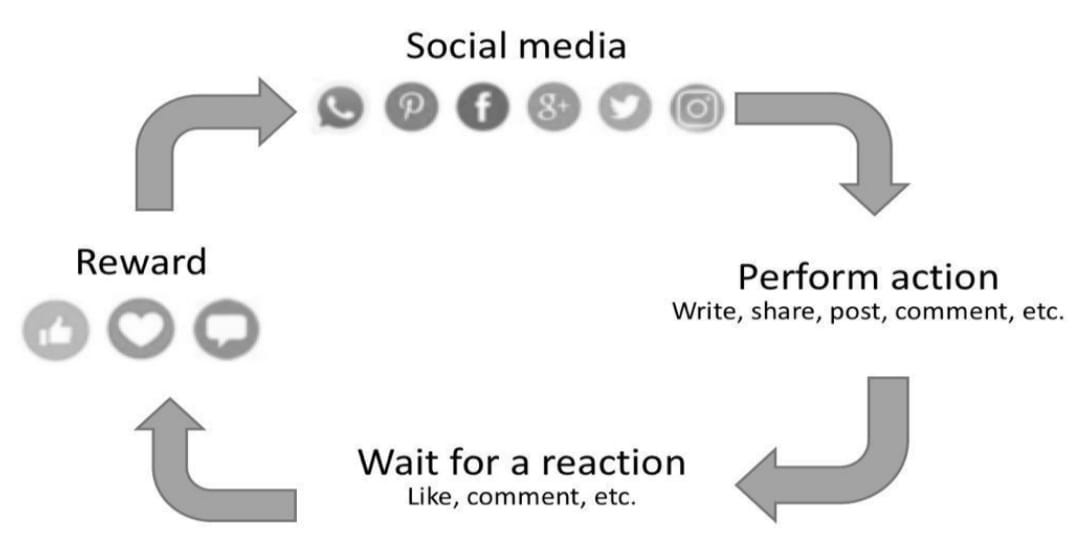
The Internet has made it easy to connect to people around the globe, and make virtual friends or contacts, while making a virtual presence and society for themselves, often escaping real life. Individuals develop a constant need to increase likes, followers and get validated by their followers. Studies have shown that ‘addicts’ who stop using their phones show symptoms of withdrawal and experience anxiety, nervousness and irritability while the dependency has also negatively predicted decrease in concentration. Individuals are developing mental health issues, such as behavioral disorders, loneliness, and social isolation. In the process of trying to develop a virtual presence, it is possible to weaken real-life connections.
The algorithms are designed in such a way as to make the individual stay on the app for as long as possible. They show what they want them to see, and this leads people to spend hours scrolling, also known as ‘stickiness’. The internet has become accessible to people across ages, and young vulnerable children get pulled into online molestation or scams. Images are edited to seem perfect, and people often show what they want others to see and try to glorify their lives through the lens. Are they being pretentious or genuinely happy?
I feel as an individual it’s important to reflect upon our usage, and be more conscious about our use. Is it just to scroll that we are picking it up, or do we have a purpose? The issue is becoming only more prevalent, and it’s important to take a step back and see what can be done differently.
Dopamine @ Smart phone addiction.
Like this comparison of Smart phone usage to Dopamine.
Well written Spruha.
All the Best, keep writing.
All the Very Best Spruha..🤗 looking forward for many more